



Signs Your Tile Roof Needs Replacement
Signs Your Tile Roof Needs Replacement
A South Florida Guide for Commercial & Condominium Owners
Page Summary
- A concrete or clay tile roof can last decades, but the waterproofing underlayment beneath the tiles wears out far sooner — which is why a tile roof can start failing while the tiles still look fine.
- Watch for interior leaks and ceiling stains, cracked or slipping tiles, granule loss and debris, sagging areas, and a roof that has simply reached the 20–30-year mark since its last underlayment.
- A-1 Roofing Contractors inspects tile roofs across Miami-Dade, Broward, and Palm Beach counties and can tell you whether you need a repair, an underlayment re-roof beneath your existing tiles, or a full replacement.
Why Tile Roofs Fail Before the Tiles Do
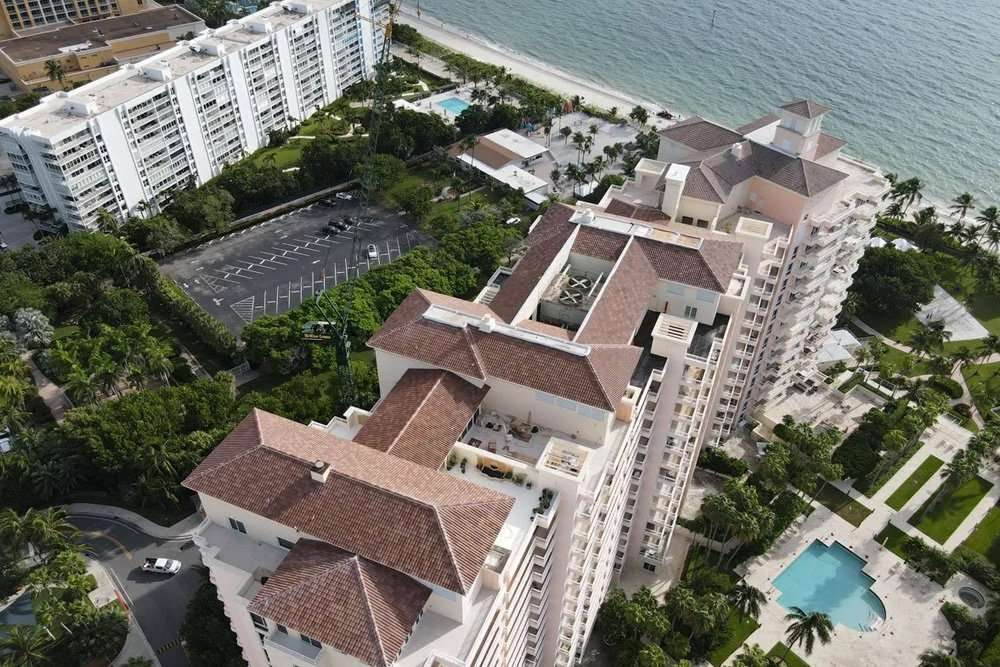
Tile is one of the toughest, longest-lasting roofing materials in South Florida — concrete and clay tile roofs can last 40 to 50 years or more. But a tile roof is a two-part system, and that’s the key to understanding when it needs replacement. The tiles you see are the top layer; beneath them is a waterproofing underlayment that provides the actual watertight barrier. The tiles shed most of the water and shield the underlayment from the sun, but it’s the underlayment that keeps water out of your building.
Here’s the problem: South Florida’s intense heat and UV degrade the underlayment much faster than they degrade the tiles. The underlayment typically reaches the end of its life in about 20–30 years, while the tiles still have decades left. When the underlayment fails, the roof begins to leak — even though the tiles on top look perfectly fine. That’s why “my tiles look great, so my roof must be fine” is one of the most common and costly misconceptions among South Florida property owners. (For more on protecting the waterproofing layer, see our guide to the best roof waterproofing materials for South Florida.)
The good news: because the tiles often outlast the underlayment, replacement doesn’t always mean a full tear-off. In many cases we can remove and re-set the sound tiles, install new underlayment, and restore the roof — but knowing when you’ve reached that point starts with recognizing the warning signs below. For a full look at our tile work, see our concrete roofing in Miami page.
The Warning Signs to Watch For
3-Point Summary: – Interior signs (leaks, stains, mold) often mean the underlayment has already failed. – Exterior signs (cracked, slipping, or missing tiles) let water reach the underlayment faster. – Age is a sign in itself — a roof at or past the 20–30-year underlayment mark deserves inspection even without obvious symptoms.
1. Interior leaks, ceiling stains, or water spots
Brown or yellow stains on ceilings and walls, active drips during rain, or a musty smell are the clearest signals that water is getting past the underlayment. By the time water reaches your interior, the underlayment has usually already failed in that area.
2. Cracked, broken, or chipped tiles
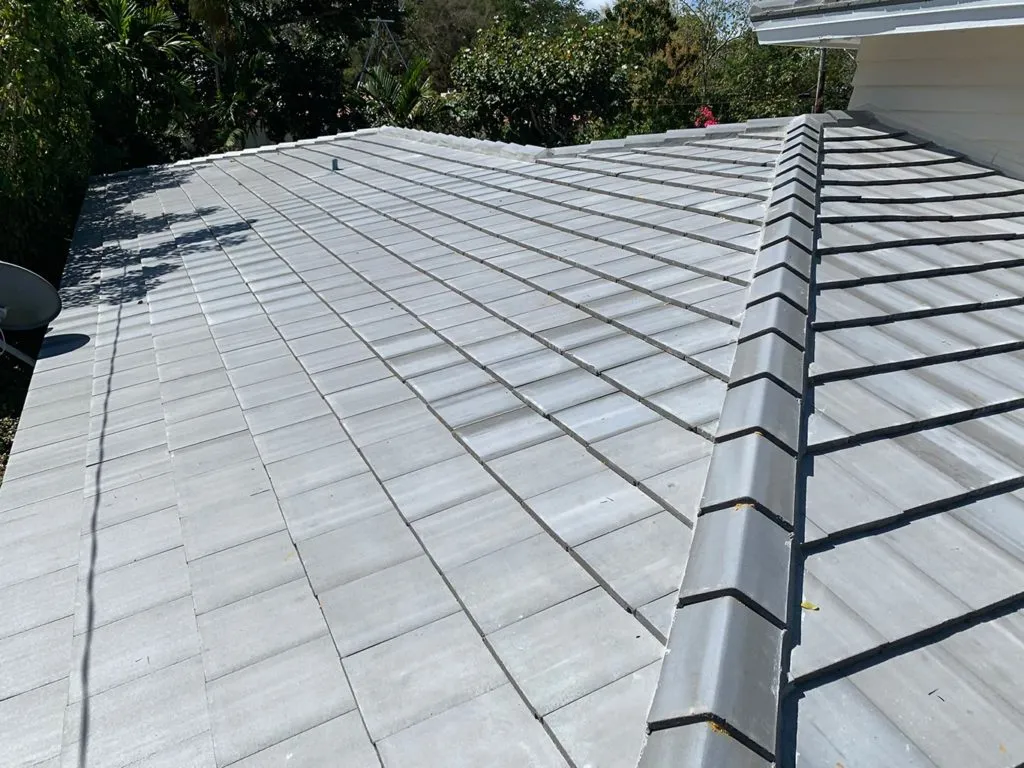
Individual damaged tiles expose the underlayment to direct sun and water, accelerating its breakdown. A few cracked tiles may be a roof repair; widespread cracking points toward larger issues.
3. Slipping, loose, or missing tiles
Tiles that have slid out of position or fallen off leave gaps that let water and wind reach the underlayment and deck. This is common after storms and high winds and should be addressed quickly.
4. Granule loss and debris in gutters
Sandy granules or bits of tile and underlayment collecting in gutters and downspouts indicate the roofing materials are breaking down.
5. Ponding water and drainage problems
Water that pools and lingers on flat or low-slope tile sections after rain accelerates underlayment failure. Learn why flat-roof ponding happens and how to fix it.
6. Sagging or uneven roof areas
A visible dip or sag can mean water has been getting in long enough to damage the underlayment and even the roof deck beneath — a sign that calls for prompt professional inspection.
7. Age
If your tile roof’s underlayment is 20–30 years old (or you don’t know when it was last replaced), it’s at or near the end of its service life. At that point, an inspection is worthwhile even if you haven’t seen leaks yet — catching it before water damage saves money.
8. Efflorescence, moss, or persistent moisture
Chronic dampness, moss growth, or white mineral deposits can indicate trapped moisture and a roof that’s no longer shedding water the way it should. (Not sure what “efflorescence” or “underlayment” means? Our commercial roofing glossary explains the terms.)
Repair, Re-Roof Under Tile, or Full Replacement?
3-Point Summary: – Not every problem means a full replacement — the right fix depends on the underlayment’s condition and how widespread the damage is. – An “underlayment re-roof” beneath sound existing tiles is often the most economical path. – A professional inspection is the only reliable way to know which option you need.
When a tile roof shows warning signs, there are generally three paths forward.
Repair
Localized issues (a handful of cracked or slipped tiles, an isolated leak) can often be repaired without touching the rest of the roof. This is the right call when the underlying underlayment is still in good shape. For multi-family buildings, see our condominium roof repair in Miami services.
Underlayment re-roof (re-set existing tiles)
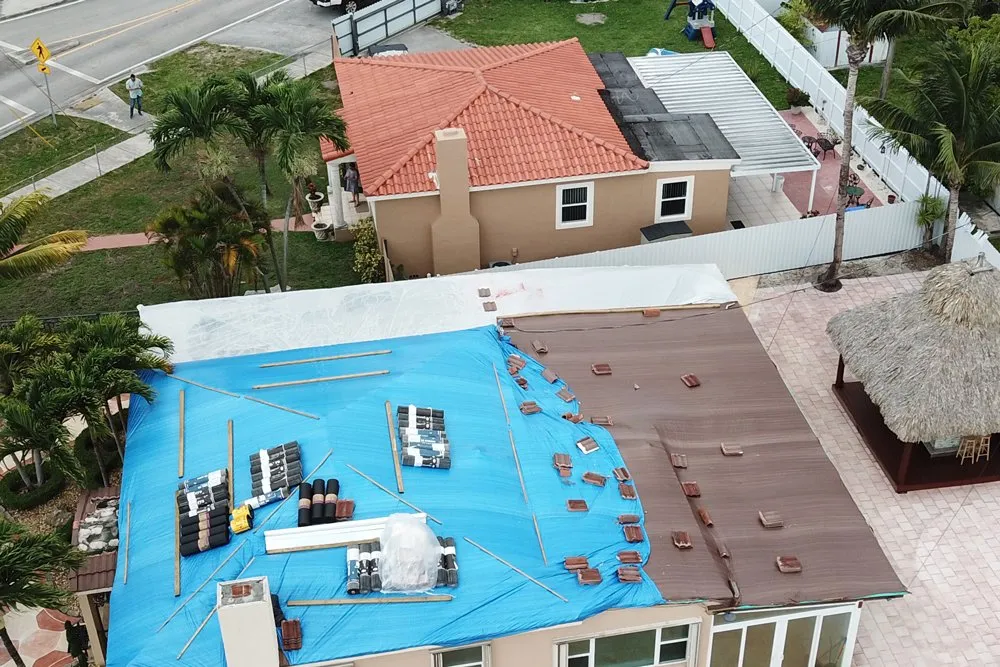
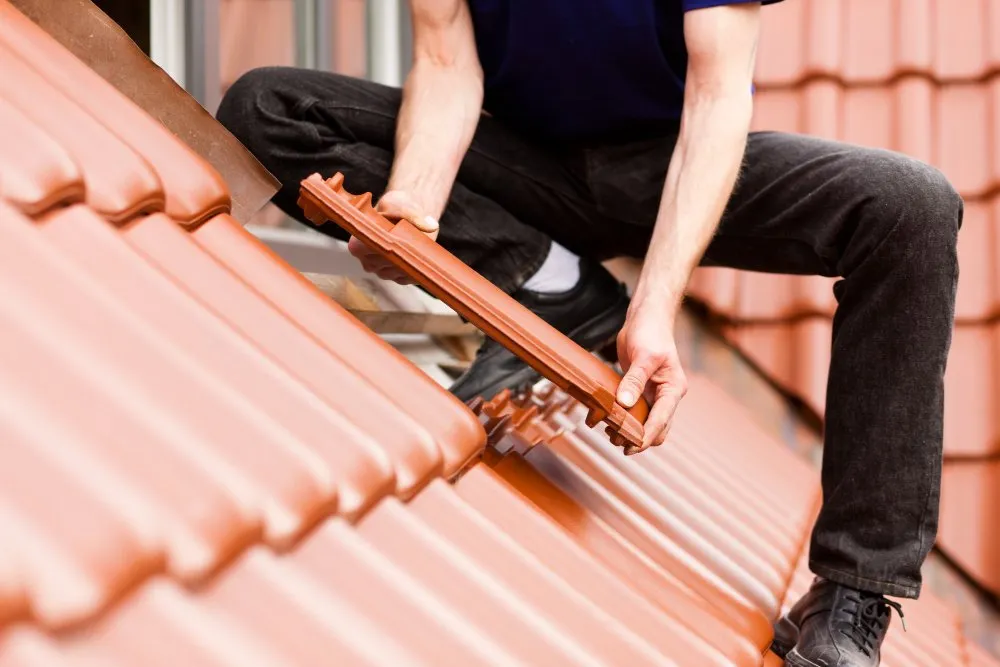
When the underlayment has reached the end of its life but the tiles are still sound, we can carefully remove the tiles, install new high-performance underlayment, and re-set the original tiles. This restores the roof to watertight condition at a lower cost than a complete replacement — and it’s the most common recommendation for tile roofs that are leaking but not physically broken.
Full replacement
When the tiles themselves are widely cracked or deteriorated, or the roof deck has been damaged by long-term water intrusion, a full roof replacement is the sound long-term investment. It’s also a chance to consider whether a different system — such as a metal roof or a flat membrane on low-slope sections — better fits the building.
The only way to know which option fits your roof is a professional inspection that assesses tile condition, underlayment condition, flashings, and the deck. A-1 Roofing Contractors provides that assessment and a clear, honest recommendation — we won’t quote a full replacement when a re-roof under your existing tile will do.
Don’t Wait for the Ceiling to Stain
The most expensive tile-roof outcome is the one that’s ignored. Once water gets past a failed underlayment, it moves into the deck, insulation, and interior — turning a manageable underlayment re-roof into a structural repair. For commercial buildings and condominium communities especially, an annual inspection (and one after any major storm) catches underlayment problems while they’re still affordable to fix. A scheduled condominium roof maintenance plan is the easiest way to stay ahead of it.
For condominium associations, the tile-underlayment lifecycle is exactly the kind of long-horizon capital item that belongs in your reserve study — and Florida’s condominium safety requirements now require roofs to be accounted for in reserve planning. We can document your roof’s condition and remaining life to support your board’s budgeting.
Why A-1 Roofing Contractors
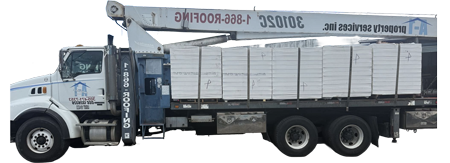
A-1 Roofing Contractors — formerly A-1 Property Services — specializes in commercial, condominium, and new-construction roofing across Miami-Dade, Broward, and Palm Beach counties, including Homestead and Miami Gardens. We treat tile as the two-part system it is, engineering the underlayment for South Florida’s heat so your roof stays watertight for its full service life. As a GAF-certified contractor serving the region since 2006, we install NOA-approved tile assemblies to the Florida Building Code and Miami-Dade HVHZ standards, and we handle permitting and inspections. Learn more about the benefits of working with A-1.
Frequently Asked Questions
How do I know if my tile roof needs to be replaced or just repaired?
It depends on the condition of the waterproofing underlayment and how widespread the damage is. Isolated cracked or slipped tiles are often a repair; a leaking roof with sound tiles usually needs an underlayment re-roof; widely deteriorated tiles or a damaged deck call for a full roof replacement. A professional inspection is the only reliable way to tell.
Why is my tile roof leaking if the tiles look fine?
Almost always, it’s the underlayment. The underlayment beneath the tiles is the actual waterproof barrier, and in South Florida’s heat it typically wears out in 20–30 years — decades before the tiles. When it fails, the roof leaks even though the tiles look intact.
How long does a tile roof last in South Florida?
The concrete or clay tiles can last 40–50 years or more, but the underlayment beneath them usually needs replacement in about 20–30 years. Plan for the underlayment lifecycle, not just the tile lifespan. See our concrete roofing in Miami page for details.
Can you replace the underlayment without replacing my tiles?
Yes, in many cases. If your tiles are still sound, we can remove and re-set them over new underlayment — an “underlayment re-roof” that’s more economical than a full replacement.
How often should a tile roof be inspected?
At least once a year, and after any major storm. Regular inspection catches underlayment problems and displaced tiles before they lead to interior water damage — one reason many associations enroll in a condominium roof maintenance plan.
Get a Free Tile Roof Inspection
If your concrete or clay tile roof is showing any of these signs — or you simply don’t know how old the underlayment is — A-1 Roofing Contractors can inspect it and tell you exactly where it stands. We’ll recommend the most cost-effective path, whether that’s a repair, an underlayment re-roof, or a full replacement. Explore all our commercial and condominium roofing services or contact us today.
A-1 Roofing Contractors (formerly A-1 Property Services) Serving South Florida Since 2006 | GAF Certified Miami-Dade · Broward · Palm Beach Counties
Call us today or request your free tile roof inspection.