

Condominium Roof Maintenance Checklist
Condominium Roof Maintenance Checklist
A Roof Care Guide for South Florida Property Managers
Page Summary
- A proactive roof maintenance routine is the most cost-effective way for condominium associations to protect their buildings, control assessments, and meet Florida’s inspection and reserve requirements.
- This checklist covers what to inspect, how often, what to document, and when to call a professional — organized for the way property managers and boards actually work.
- A-1 Roofing Contractors partners with condominium associations across Miami-Dade, Broward, and Palm Beach counties to deliver scheduled maintenance, detailed written reports, and the documentation boards need for reserve studies.
Why Roof Maintenance Matters for South Florida Condos
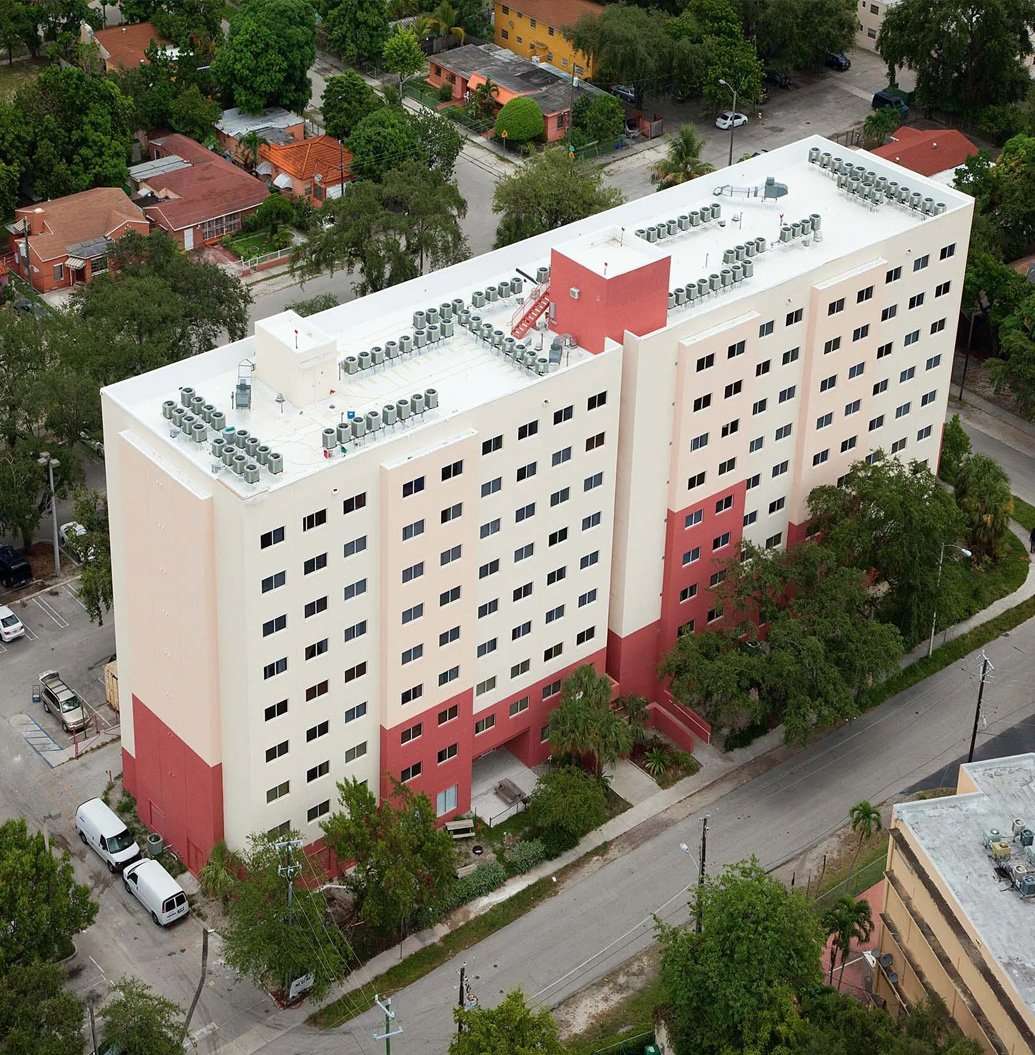
For a condominium association, the roof is one of the largest and most consequential assets on the property — and in South Florida’s climate of relentless sun, heavy rain, salt air, and hurricanes, it’s also one of the hardest working. A neglected roof doesn’t just risk leaks; it risks emergency assessments, unhappy owners, warranty voids, and, increasingly, compliance problems under Florida’s condominium safety laws.
The economics are simple: proactive maintenance is a fraction of the cost of emergency repair or premature replacement. A consistent inspection and maintenance routine catches small problems — a lifted flashing, a clogged drain, a slipped tile — while they’re cheap to fix, and it produces the documentation boards need for budgeting and reserve planning. Many associations formalize this through a condominium roof maintenance plan, and there are real benefits to working with a specialized commercial roofer who understands multi-family properties.
This checklist is built for property managers and board members. Use it to structure your own routine, to brief your maintenance staff, and to know when a professional roofer should be involved.
How Often to Inspect
3-Point Summary: – Do a professional roof inspection at least twice a year — ideally before and after hurricane season. – Do a visual/staff check quarterly, and always after any major storm. – Keep every inspection on a documented schedule; consistency is what protects the building and the board.
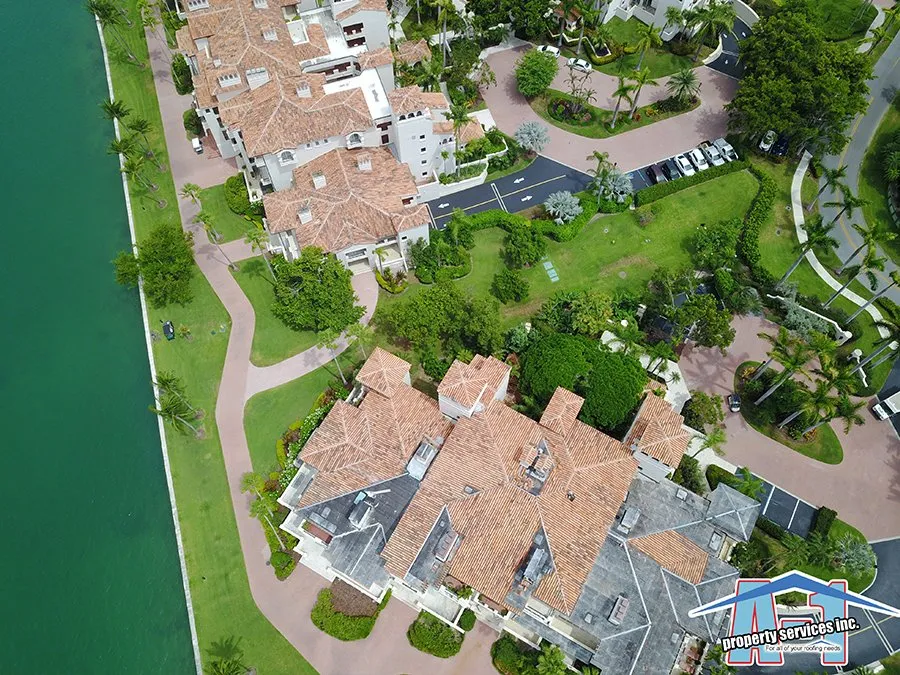
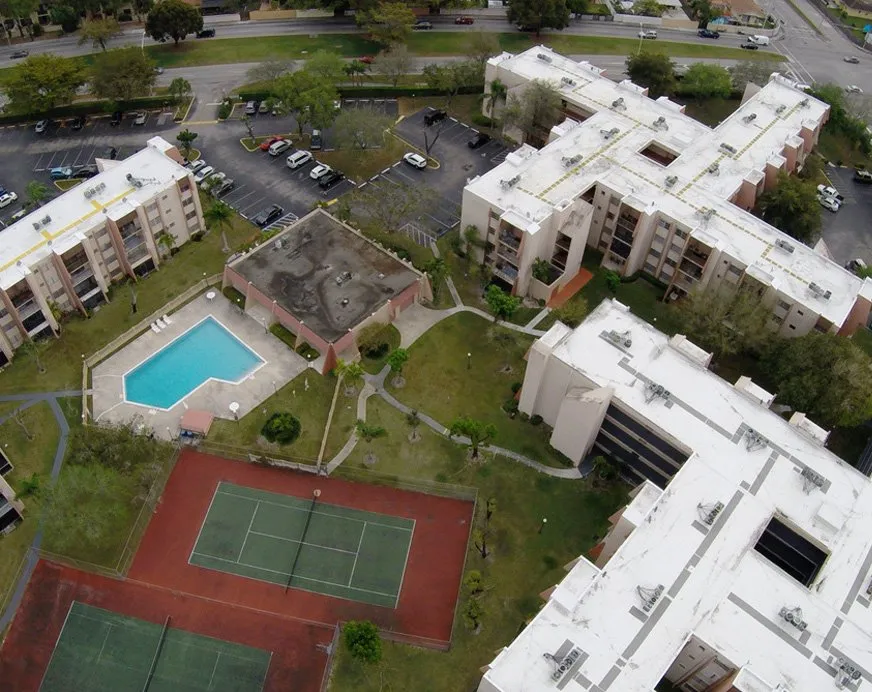
- Twice a year (professional): A qualified roofing contractor should inspect the roof at least twice annually — a smart cadence is late spring (before hurricane season) and late fall (after it).
- After every major storm: High winds and wind-driven rain are the leading cause of sudden roof damage in South Florida. Inspect after any named storm or severe weather event.
- Quarterly (staff/visual): Between professional visits, maintenance staff can perform basic visual checks and keep drains and gutters clear.
- Per your maintenance-plan schedule: For multi-building communities, a rotating professional schedule ensures every roof is assessed regularly and none is overlooked.
The Condominium Roof Maintenance Checklist
Roof Surface
- Inspect the membrane, tile, or metal surface for cracks, blisters, punctures, splits, or open seams.
- Check for slipped, cracked, or missing tiles on tile roofs or lifted/loose panels on metal roofs.
- Look for ponding water that lingers more than 48 hours after rain — a sign of drainage problems.
- Note any sagging, soft spots, or uneven areas that could indicate deck or underlayment damage.
- Watch for granule loss, debris, or material breakdown collecting on the roof or in gutters.
Flashings, Edges & Penetrations
- Examine flashings at walls, curbs, skylights, and roof edges for lifting, separation, or corrosion.
- Check seals around all penetrations — vents, pipes, HVAC curbs, drains, and equipment supports.
- Inspect parapet walls, coping, and edge metal for cracks, loose fasteners, or displacement.
- Confirm rooftop equipment is properly supported and not damaging the membrane.
Drainage
- Clear all drains, scuppers, gutters, and downspouts of leaves, debris, and blockages.
- Confirm water flows freely to drains with no pooling.
- Check that overflow scuppers are unobstructed. (See why ponding happens if water lingers.)
Interior & Common Areas
- Inspect top-floor ceilings, hallways, and common areas for water stains, discoloration, peeling paint, or mold.
- Ask residents and staff to report any signs of leaks promptly.
- Check attic or interstitial spaces (where accessible) for moisture, daylight, or damaged insulation.
Documentation
- Photograph current conditions and any issues found.
- Record the date, findings, and recommended actions after every inspection.
- Maintain a running roof history: repairs, warranties, installation dates, and underlayment age.
- Keep documentation organized for reserve-study and milestone-inspection purposes (see below). Our commercial roofing glossary can help staff describe conditions consistently.
Florida Compliance: What Boards Should Know
3-Point Summary: – Florida’s condominium safety laws require milestone inspections and Structural Integrity Reserve Studies that include the roof. – As of 2025, associations can no longer waive or underfund reserves for the roof and other structural components. – Good maintenance documentation directly supports these requirements — and accurate reserve funding.
Since the reforms that followed the 2021 Surfside collapse — enacted through Senate Bill 4-D and related laws — Florida requires condominium and cooperative buildings of three or more stories to complete a milestone structural inspection (at 30 years from the certificate of occupancy, or 25 years within roughly three miles of the coast, and every 10 years thereafter) and a Structural Integrity Reserve Study (SIRS) at least every 10 years. The SIRS must evaluate specific structural components — and the roof is explicitly one of them.
A significant change: associations can no longer vote to waive or underfund reserves for these components, including the roof. Boards must fund the roof reserve based on its actual condition and remaining useful life. That makes professional, well-documented roof inspections more valuable than ever — they give your board the accurate information it needs to fund reserves properly and demonstrate diligence. Florida’s DBPR condominium resources provide the current requirements in detail, and there may even be tax advantages tied to certain roof work worth discussing with your accountant.
This is general information, not legal advice. Confirm current deadlines and requirements with your association’s attorney and licensed inspection professionals.
When to Call a Professional
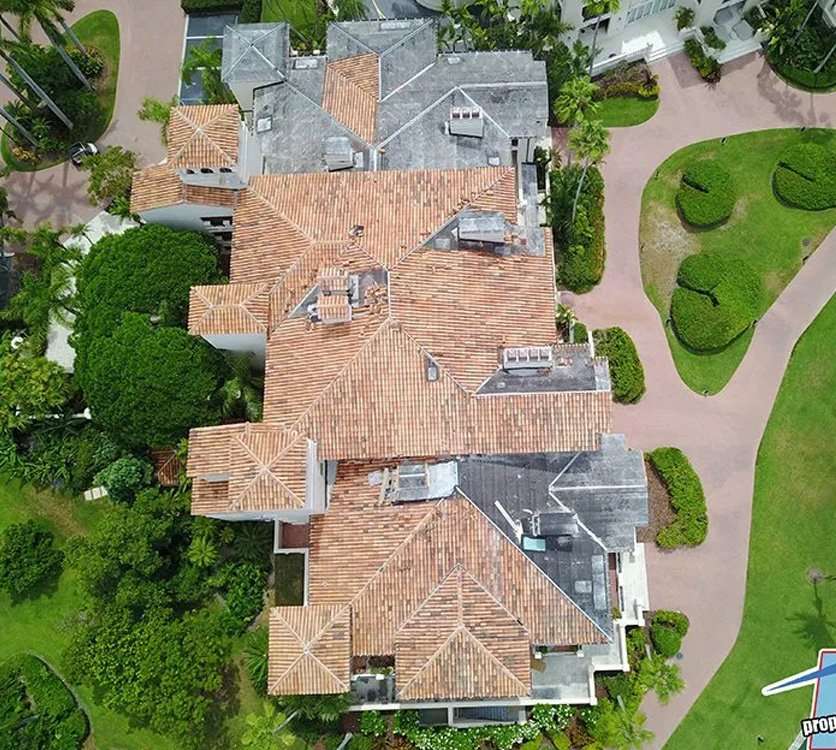
Some things belong to a qualified commercial roofer, not in-house staff:
- Any active or suspected leak, interior water stain, or mold.
- Storm damage assessment after a named storm or high winds.
- Cracked, slipped, or missing tiles and lifted flashings.
- Ponding water that doesn’t drain, or visible sagging.
- Your twice-yearly professional inspections and written reports.
- Documentation to support a reserve study, milestone inspection, or insurance claim.
Walking a multi-story roof is also a safety and liability matter — professional roofers are trained and equipped for it. For active problems, see our condominium roof repair in Miami services; when a roof is beyond repair, our condominium roof replacement team manages the entire project.
How A-1 Roofing Contractors Helps Condominium Associations
A-1 Roofing Contractors — formerly A-1 Property Services — focuses exclusively on commercial, condominium, and new-construction roofing across Miami-Dade, Broward, and Palm Beach counties, including Homestead and Miami Gardens. We offer scheduled maintenance programs built for multi-building communities, detailed written inspection reports your board can use for budgeting and reserve studies, and fast repair response through standing agreements. Whatever mix of roof systems your community has — TPO, PVC, modified bitumen, metal, or concrete tile — we maintain them all under one program and one point of contact. We also provide roof waterproofing and new roof installation. Serving South Florida since 2006 and GAF-certified, we build and maintain to the Florida Building Code and, in the HVHZ, to Miami-Dade NOA standards.
Frequently Asked Questions
How often should a condominium roof be inspected in Florida?
At least twice a year by a professional — ideally before and after hurricane season — plus after any major storm, with quarterly visual checks in between. Multi-building communities benefit from a rotating professional maintenance plan so no roof is overlooked.
Does Florida law require condos to include the roof in reserve studies?
Yes. The Structural Integrity Reserve Study (SIRS) required for condominium and cooperative buildings three or more stories tall must evaluate the roof among other structural components, and as of 2025 associations can no longer waive or underfund those reserves. See the DBPR condominium resources for details.
What should a condo roof maintenance plan include?
Scheduled professional inspections, clearing of drains and gutters, inspection of the roof surface, flashings, and penetrations, prompt repairs, photographic documentation, and written reports the board can use for budgeting and compliance.
Can proactive maintenance really lower our costs?
Yes. Catching small issues early — a lifted flashing, a clogged drain, a few slipped tiles — prevents the interior water damage and emergency replacements that drive special assessments. Maintenance is a fraction of the cost of emergency repair.
Can one contractor maintain all the different roofs in our community?
Yes. A-1 Roofing Contractors maintains every common commercial roof system — TPO, PVC, modified bitumen, metal, and concrete tile — under a single maintenance program and one point of contact.
Set Up a Condominium Roof Maintenance Program
Give your board a roof it doesn’t have to worry about. A-1 Roofing Contractors will assess your community’s roofs, provide clear written reporting, and put a maintenance program in place that fits your buildings and your reserves. Learn more about the best commercial roofer in Miami or contact us to get started.
A-1 Roofing Contractors (formerly A-1 Property Services) Serving South Florida Since 2006 | GAF Certified Miami-Dade · Broward · Palm Beach Counties
Contact us today to schedule a condominium roof assessment or request a maintenance program proposal.